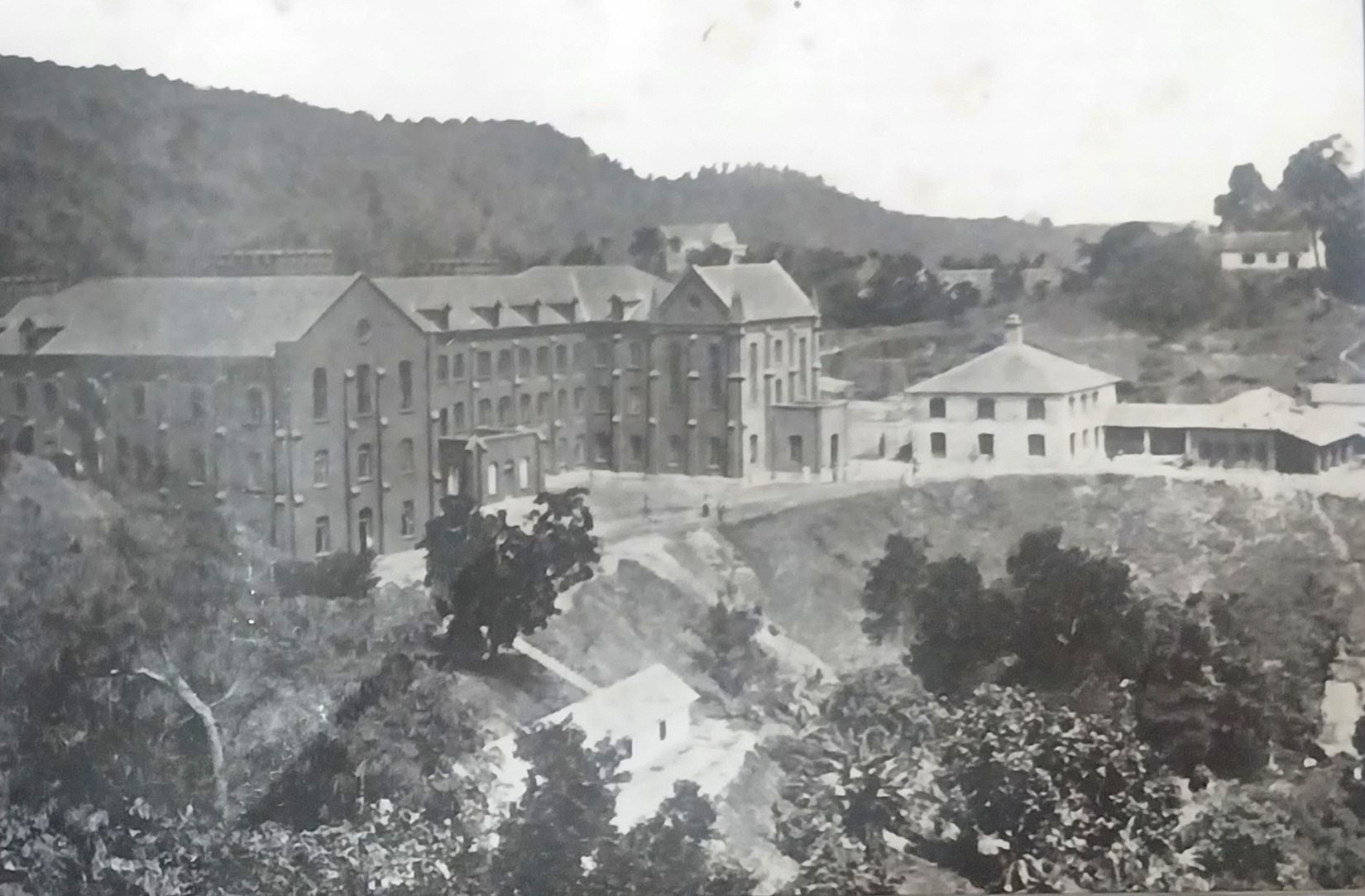
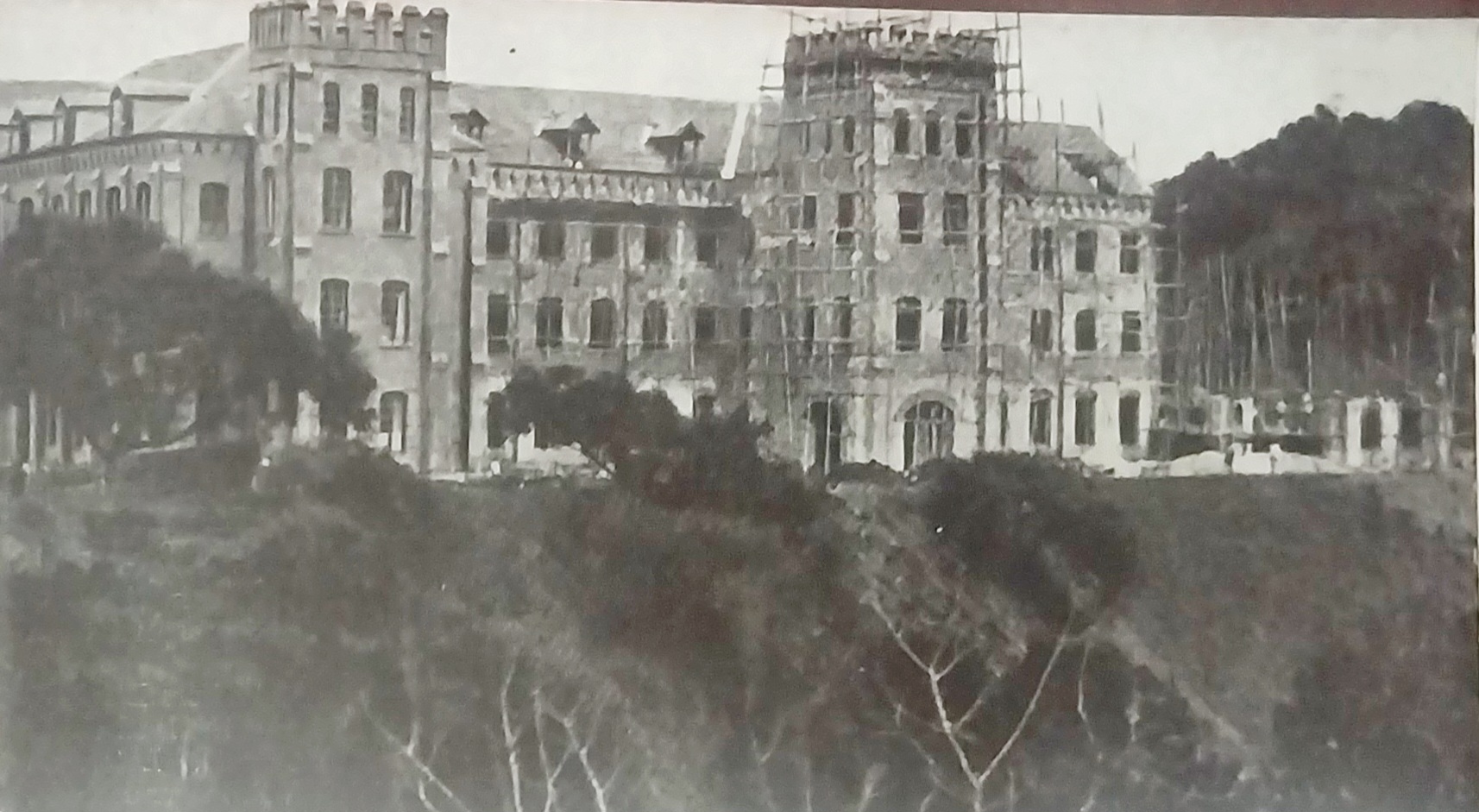
Jesuit missionaries came to Sri Lanka from the fisheries coast of south India in the middle of 16th century when Portuguese were in control of the northern and southern coastal regions of the country. Their evangelization was mainly in the Northern territory. In 1602, the Jesuit mission was officially established in the country. They had several mission stations both in the north and in the south. However, during the Dutch occupation of the country starting around 1660s and the subsequent persecution of the Catholics by the Dutch rulers, the evangelization begun by the Portuguese missionaries including the Jesuits, came to an end. And thereafter there was no Jesuit presence in the country for a considerable period. It was in the late 19th century that the Jesuits returned to Sri Lanka with the establishment of the Papal Seminary in Kandy and the creation of the two dioceses: Galle and Trincomalee.
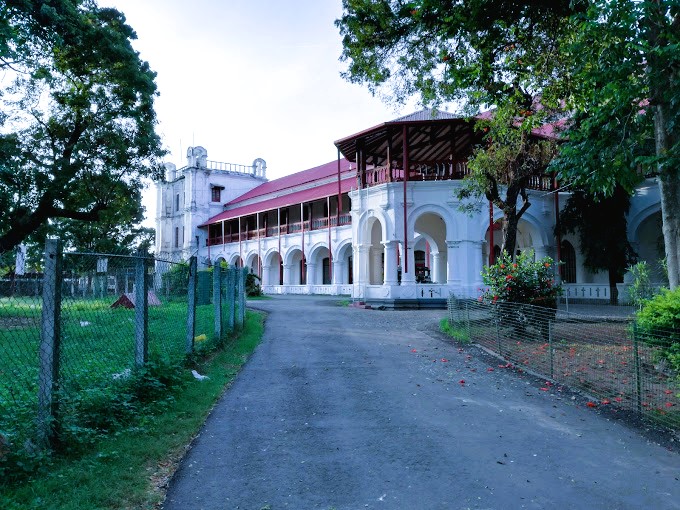
Papal Seminary - Kandy
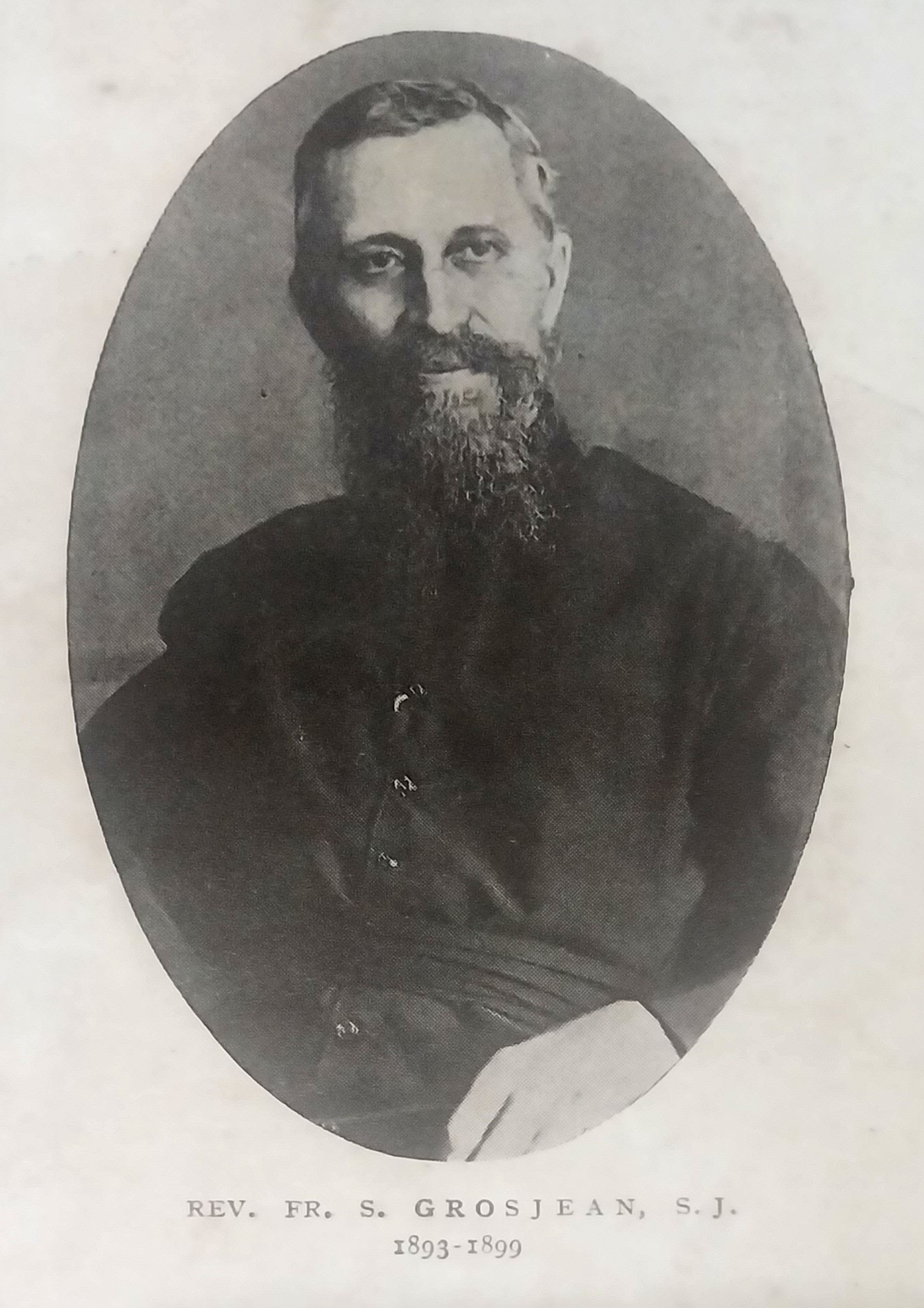
Fr. Sylvain Grosjean SJ
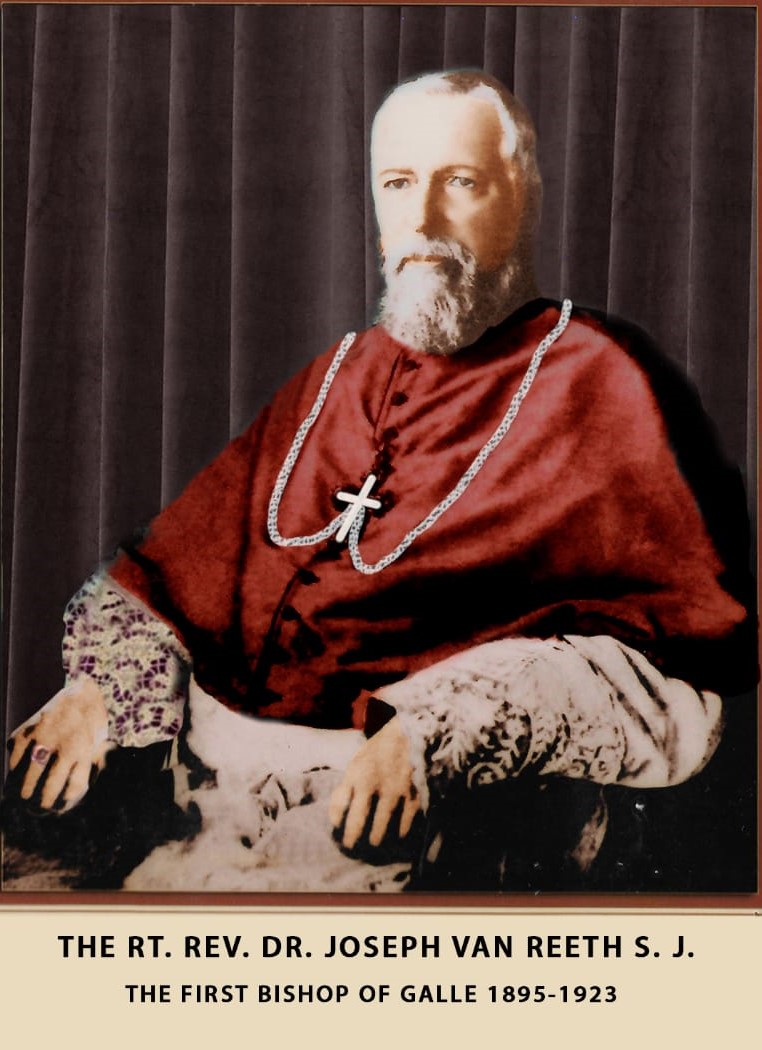
They started two missions: the Jesuit Mission of Galle by the Belgian Jesuits and the Jesuit Mission of Trincomalee by the French Jesuits. In 1893, the Papal Seminary in Kandy was established, with Fr. Sylvain Grosjean SJ serving as its first superior. Around the same period, the Jesuits contributed to the founding of the diocese of Trincomalee and that of Galle. In 1893, Bishop Charles Lavigne SJ was appointed the first Bishop of Trincomalee, and in 1895, Bishop Joseph Van Reeth SJ was similarly appointed the first Bishop of Galle.
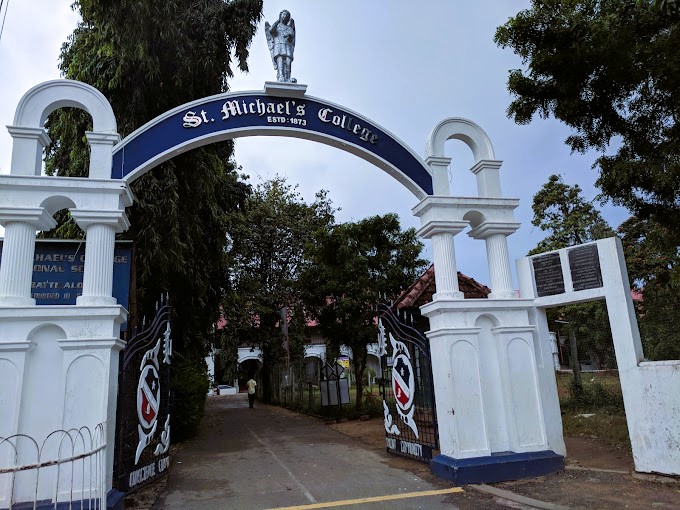
The main apostolate of the Jesuits was school education. There were two schools
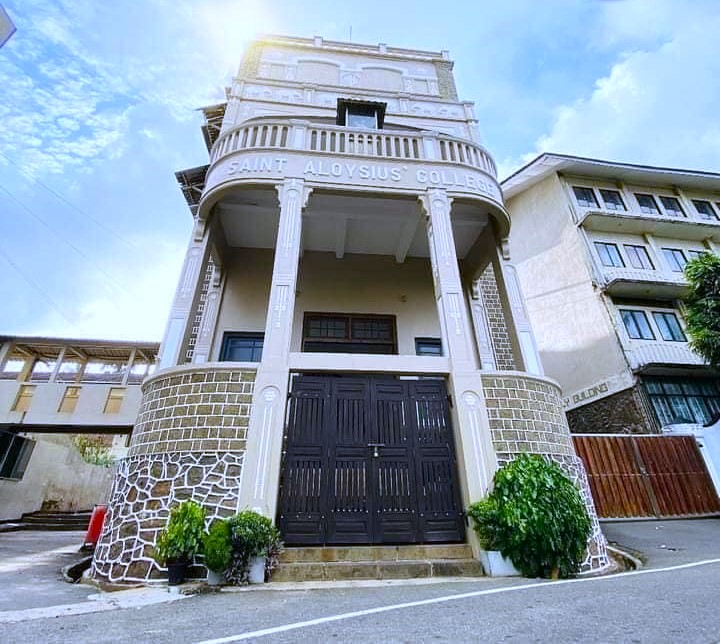
in the eastern province, namely, St. Michael’s College Batticaloa and St. Joseph’s College Trincomalee, and two in the southern province namely, St. Aloysius
College Galle and St. Aloysius College Ratnapura. The Jesuits were also involved in parish ministry in the town as well as rural areas both in the eastern and southern regions.
Two Missions
Due to lack of personnel, the two missions were handed over to two other Jesuit provinces. The Galle mission was entrusted to the Naples Province of Italy in 1924. In 1945, the Trincomalee mission was entrusted to the New Orleans Province of the United States. These two missions operated independently for many years and in 1962 they were merged to form the Jesuit Province of Sri Lanka.
Rt. Rev. Dr. Joseph Van Reeth SJ First Bishop of Galle 1895 - 1923
Rt. Rev. Dr. Charles Lavigne SJ First Bishop of Trincomalee 1898 - 1913
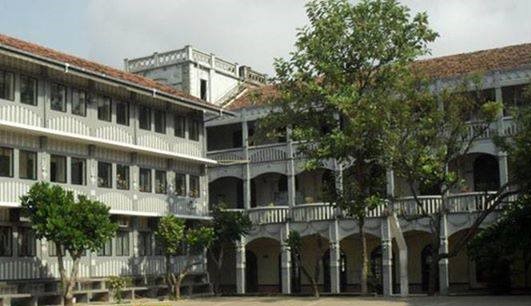
St. Aloysius College - Galle Mission
St. Michael's College - Trincomalee Mission
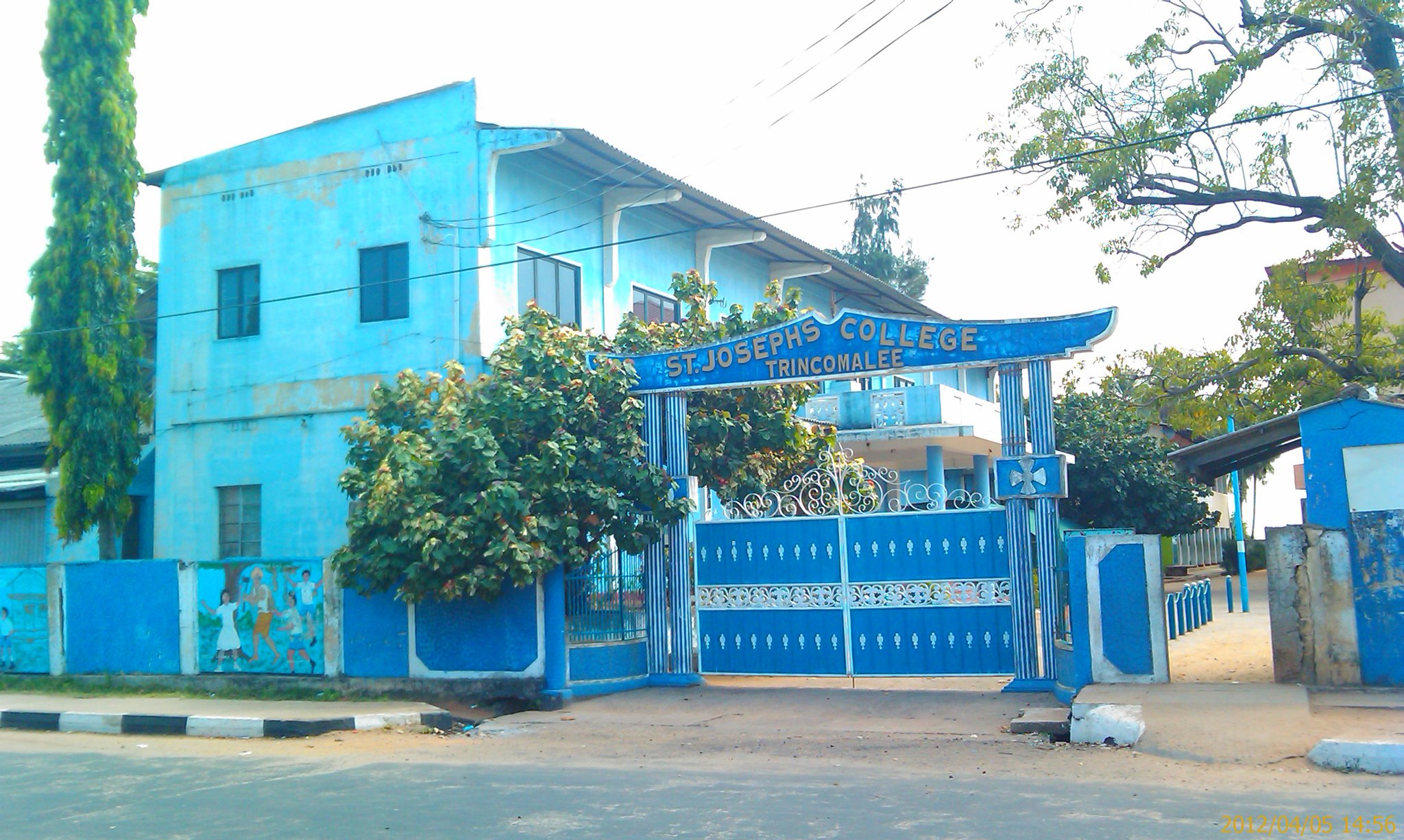
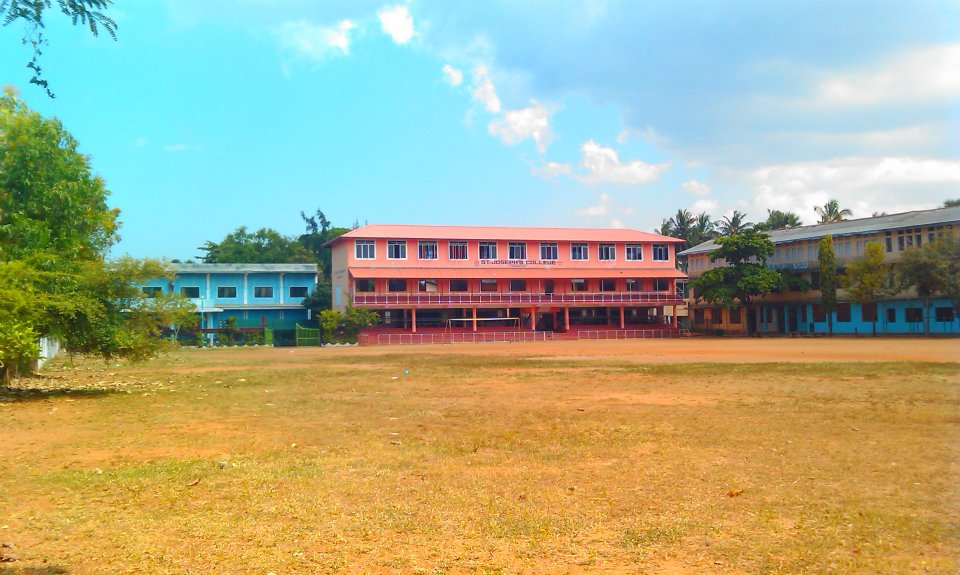
St. Joseph's College - Trincomalee Mission
Jesuit Province of Sri Lanka
In 1960, the nationalization of private aided schools led to financial challenges for the Jesuits in sustaining their educational institutions. After approximately a decade of struggle, they transferred the administration of their three schools to the government. Thereafter, the Jesuits embraced new roles—some served as university lecturers and chaplains, while others became parish priests under diocesan bishops.
Simultaneously, the Jesuits began initiatives to serve marginalized communities through social apostolates. Centers such as the Satyodaya Centre in Kandy and the Centre for Social Concern in Hatton were established to support plantation workers. The Shanti Community Movement in Dehiwala addressed the needs of the urban poor. The Tulana Research Centre was founded to promote interreligious dialogue. Vocational training centers were set up for underprivileged youth in Batticaloa, Galle, and Nawalapitiya. The Jesuits also established two retreat centers - one in Kandy and another in Batticaloa.
In 1988, the Jesuit novitiate was established, followed by the opening of the juniorate. A pre-novitiate program and candidate houses were also initiated to prepare young men discerning a vocation to the Society of Jesus.
In more recent years, the Jesuits have returned to formal education. Mount Calvary High School in Galle was founded in 2012, followed by the establishment of Arrupe College in Batticaloa in 2018. Furthermore, to support underprivileged youth in the Northern, Central, and Southern regions, the Province partnered with Jesuit Worldwide Learning (JWL) to offer educational programs.